

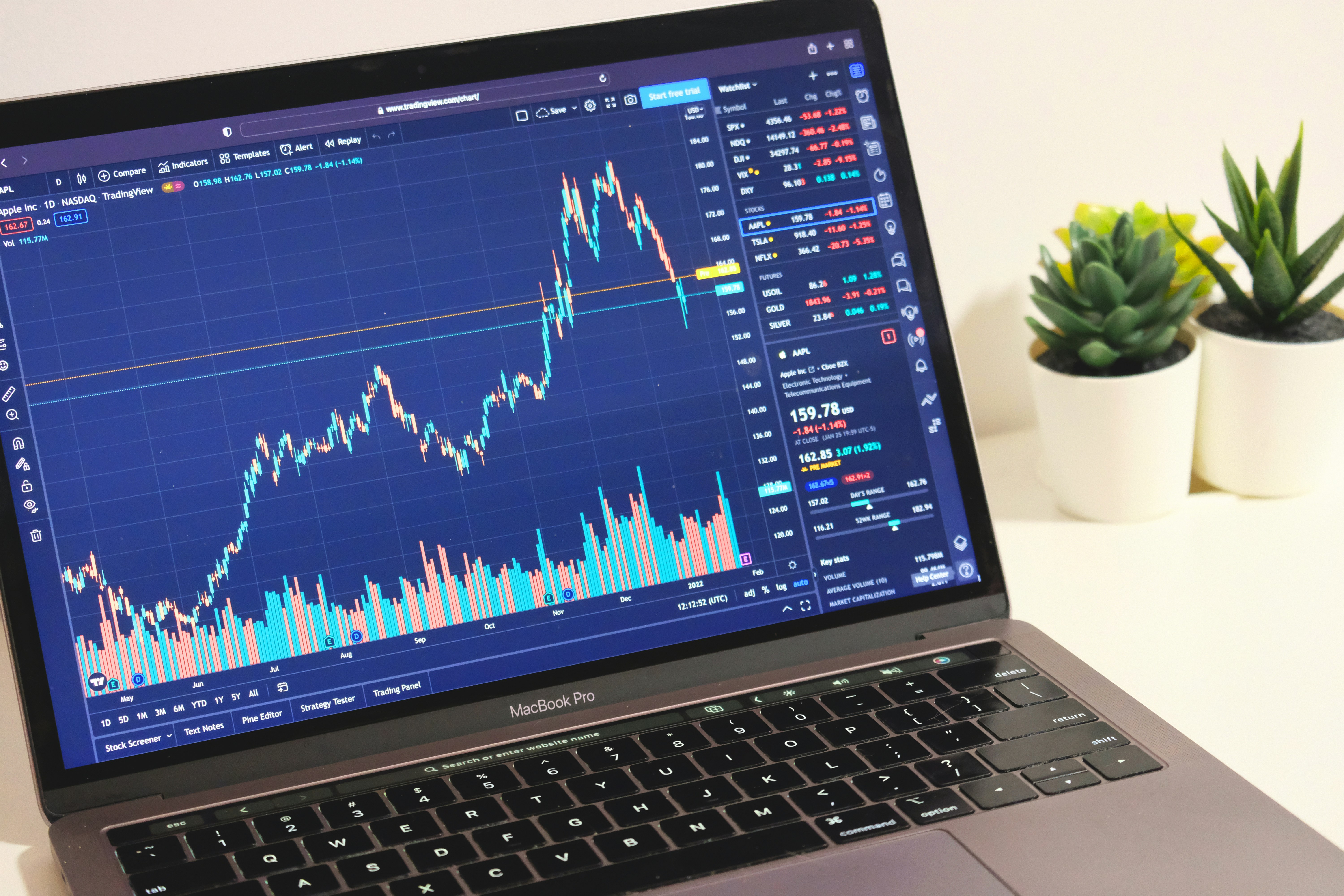
Introduction to Stock Volume
Stock volume refers to the total number of shares of a particular security that are traded during a specific time period, typically measured on a daily basis. It serves as a crucial metric in the trading world, reflecting the activity level and the enthusiasm of investors and traders regarding a particular stock or the broader market. High stock volumes are often indicative of a significant interest in a security, either due to a major news event, earnings reports, or shifts in market sentiment.
The measurement of stock volume can be represented in various ways, including absolute numbers, percentages, or historical averages. For example, a stock might normally see 1 million shares traded in a day; a surge to 5 million shares prompts traders to investigate underlying reasons. This enhancement of trading activity is important as it can lead to increased liquidity, which is the ease with which assets can be bought or sold without affecting their price. Strong liquidity generally contributes to tighter bid-ask spreads and reduces the likelihood of price manipulation, making it appealing to both institutional and retail investors.
Moreover, trading volume is critical for analyzing market trends and investor sentiment. A sharp increase in volume often suggests a strong confirmation of a price move, whether it is upward or downward. Conversely, price movements accompanied by low volume may be suspected of being less sustainable. In the context of technical analysis, volume serves as an integral component when interpreting stock charts, providing insights into potential reversals or continuations of trends. Furthermore, it can signal broader economic trends, reflecting investor confidence and market conditions. As such, understanding stock volume is fundamental to making informed investment decisions and navigating the complex world of financial markets effectively.
Analyzing the Record Day
On September 13, 2023, the US stock market experienced an unprecedented trading volume surge, marking it as the third-busiest trading day in history. The trading volume reached a staggering 18.1 billion shares exchanged, a significant increase compared to typical day-to-day volumes. This spike in activity drew considerable attention from market analysts and investors alike, prompting questions about the driving forces behind such a remarkable occurrence.
Several factors contributed to this record-breaking trading day. First, a wave of economic data releases significantly influenced investor sentiment. Positive employment figures coupled with robust consumer spending reports instilled confidence in investors, prompting them to reallocate their portfolios. Additionally, the anticipation of upcoming Federal Reserve meetings raised speculation regarding monetary policy adjustments, leading to increased trading activity as investors positioned themselves ahead of potential changes.
Moreover, notable corporate earnings announcements played a critical role in driving trading volume. Major companies exceeded market expectations, prompting a flurry of buying and selling as traders reacted to these reports. The tech sector was particularly influential, with several tech giants posting impressive results, fueling investor interest and participation in the market. The rapid response to these developments further amplified trading volumes throughout the day.
Market conditions that day were characterized by heightened volatility as investors reacted to unfolding events. With the increased trading volume, price fluctuations were more pronounced, reflecting the aggressive buying and selling behaviors fueled by speculations and news releases. This environment created an atmosphere where both retail and institutional investors actively sought opportunities to maximize their financial outcomes, resulting in an extraordinary trading session that will be remembered in the annals of market history.
Causes of the Volume Spike
The recent surge in US stock volume can be attributed to a myriad of interrelated factors that collectively influenced investor behavior and trading activity. One of the most prominent triggers has been the release of crucial economic indicators. Reports detailing the labor market, inflation rates, and consumer spending trends have provided critical insights into the health of the economy, prompting investors to react swiftly to perceived opportunities or threats.
Alongside economic indicators, significant market news has played a vital role in driving trading volume. This includes announcements from regulatory bodies, changes in interest rates, and developments in major industries. Such news tends to resonate deeply across financial markets, leading to increased volatility and, consequently, higher trading volumes as traders position themselves to capitalize on or hedge against potential market movements.
Earnings reports have further contributed to the spike in volume. Companies typically release detailed quarterly results, which can either exceed or fall short of market expectations. Such divergences often lead to swift re-evaluations of stock valuations among investors, resulting in increased buying or selling activity. Recent earnings seasons have been more revealing than usual, with a number of high-profile firms reporting significant changes in their financial health, which further complicates investor sentiment.
Geopolitical events have also created a backdrop of uncertainty, prompting investors to seek clarity and adjust their portfolios accordingly. Factors such as international trade negotiations, regulatory changes, and geopolitical tensions can spur a heightened sense of urgency in trading as investors react to changes that may impact global markets. Moreover, evolving investor behavior trends, including the rise of retail trading platforms and algorithms, have made trading more accessible and faster, contributing to the remarkable volume surge observed on this particular trading day.
Impact on Major Indices
The recent surge in stock volume has significantly impacted major stock indices, including the S&P 500, Dow Jones Industrial Average, and Nasdaq. As trading activity reached unprecedented levels, each index experienced notable fluctuations, prompting investors to reassess their strategies in response to the evolving market dynamics.
For the S&P 500, the spike in trading volume corresponded with an increase in index value during the early stages of the trading day. This uptick in performance highlights the index’s responsiveness to investor sentiment and broader market trends. The heightened activity demonstrated a robust demand for stocks, suggesting that many investors remained optimistic despite underlying economic uncertainties. However, as the day progressed, a period of volatility ensued, leading to a reduction in the initial gains of the index by the close of trading.
Meanwhile, the Dow Jones Industrial Average also reflected the effects of increased trading volume, with substantial shifts observed throughout the day. Unlike the S&P 500, the Dow saw a mix of both gains and losses, as investor reactions varied widely based on sector performance. The varying responses indicate that while some sectors benefitted from the surge, others faced obstacles, resulting in a more balanced yet cautious outlook for investors.
On the other hand, the Nasdaq experienced pronounced volatility, characterized by rapid shifts in technology stocks. The surge in volume meant that technology shares, which often dominate the Nasdaq, were particularly susceptible to price fluctuations. Investors in this index showed a mix of enthusiasm and caution, reflecting both the potential for growth in the tech sector and concerns over overvaluation amid changing economic conditions.
Overall, the spike in stock volume elicited varying impacts on major indices, shaping investor sentiment and trading patterns. As the market continues to adjust to these changes, the future will reveal lasting effects on index performance and broader economic implications.
Comparison with Previous High-Volume Days
The recent surge in US stock volume, marking the third-busiest trading day in history, prompts an examination of prior significant high-volume trading days to contextualize the current event. Historical data indicates that high-volume days often correlate with pivotal economic news or substantial market shifts. For instance, October 19, 1987—widely known as Black Monday—saw an unprecedented trading volume as panic selling led to a substantial market downturn. The day’s volume was fueled by widespread fear and uncertainty, illustrating how external factors can catalyze massive trading activity.
Similarly, March 16, 2020, witnessed extensive trading activity as the market reacted to the emergent COVID-19 pandemic. New trading strategies, alongside automatic trading algorithms, propelled the trading volume as investors sought to adjust their portfolios amidst rising volatility. On that day, the trading volume exceeded 20 billion shares, demonstrating how crisis-driven market conditions often result in significant investment movement.
In comparison, the recent trading day resulted in volumes of approximately 18 billion shares, placing it firmly within the context of historically significant trading days. What distinguishes this current spike is not merely the volume but the underlying reasons that spurred investor behavior. Increased interest in specific sectors, coupled with fluctuating geopolitical issues and economic recovery narratives, have generated a unique trading environment. This combination of factors appears to have contributed to heightened investor sentiment, which was not as prevalent during previous high-volume incidents.
Analyzing these events underscores the volatility inherent in equity markets and highlights how momentous economic or geopolitical events can mobilize investor actions, leading to substantial increases in trading volume. As markets continue to evolve, understanding these comparisons may provide insights into future trading patterns and the economic landscape as a whole.
Investor Sentiment and Reaction
The recent spike in US stock market trading volume has evoked a significant response from investors and market analysts alike. As the third-busiest trading day in history unfolded, a spectrum of sentiment emerged, highlighting both caution and opportunism in the investor community. Retail investors, characterized by their individual trading strategies, expressed heightened emotions—largely driven by social media trends and the immediacy of market news. Many retail traders were seen adjusting their positions rapidly, influenced by the surge in volume and the associated volatility.
According to several market analysts, this reaction is indicative of a broader trend where retail sentiment can sway the market considerably. Notably, one market expert commented, “The surge in volume has amplified the typical retail investor’s reaction time, which can lead to irrational trading behavior but also present unique opportunities.” This reflects a dual-edged sword for traders, as the rush can hinder rational decision-making while simultaneously creating short-term trading opportunities.
On the other hand, institutional investors appeared more measured in their response. With their extensive resources and analytical capabilities, many institutions opted to reassess their portfolios rather than impulsively react to the spike. “Strategically, this surge might provide us with buying opportunities, but we remain cautious,” noted a portfolio manager from a top investment firm. Such comments signify an underlying strategy among institutional players to maintain long-term objectives despite the short-term volatility.
In essence, while retail investors exhibited a more exuberant reaction, institutional investors favored a calculated approach. This divergence in strategies reflects the varying roles individuals and institutions play in shaping market dynamics during periods of increased trading activity. As both groups navigate this landscape, the implications of their actions could resonate within the market for some time, emphasizing a complex interplay between sentiment and strategy in response to unprecedented trading days.
Technical Analysis: What the Data Shows
The recent surge in US stock volume has prompted a thorough exploration of the underlying data through the lens of technical analysis. Analyzing trading volume is essential as it provides insights into market sentiment and potential future price movements. During such high-volume trading days, distinct patterns and trends often arise, which can be pivotal for investors seeking to navigate the complexities of the stock market.
One significant indicator to consider is the volume spike itself, which frequently corresponds to substantial price movements. When stock prices rise alongside increased volume, it typically signals strong buyer interest, suggesting potential upward momentum. Conversely, if prices fall while volume spikes, this might indicate seller dominance, potentially foreshadowing a bearish trend. Traders should remain vigilant for these signals as they can influence short-term trading strategies.
Patterns such as the “volume-weighted average price” (VWAP) are particularly relevant in this context. VWAP is utilized by traders to determine the average price a stock has traded at throughout the day based on the volume traded at each price level. A stock trading above its VWAP may suggest a bullish outlook, whereas trading below may reflect bearish sentiment. Furthermore, the analysis of moving averages can be particularly revealing. Observing the crossover of short-term moving averages over long-term moving averages can substantiate the strength of a trend, providing additional confirmation for traders.
Moreover, examining oscillators like the Relative Strength Index (RSI) can inform traders about potential overbought or oversold conditions. An RSI above 70 suggests a stock may be overbought and could be due for a correction, whereas an RSI below 30 indicates potential undervaluation. Thus, leveraging these technical analysis tools can enhance an investor’s ability to make informed decisions in the aftermath of substantial trading days.
Future Implications for the Stock Market
The recent surge in stock volume, marking the third-busiest trading day in history, signals potential shifts in the landscape of the US stock market. As market participants reflect on this event, several implications can be drawn regarding future volatility, trading behaviors, and overall investor confidence. Analysts predict a possible increase in short-term market volatility as heightened trading activity often leads to rapid price fluctuations. When trading volumes spike, the market may react more sharply to economic news or geopolitical events, as there are more participants willing to respond to shifts in sentiment. This heightened sensitivity could pose challenges for investors who prefer stable markets.
Moreover, the increase in trading volume may foster a change in trading behaviors among individual and institutional investors alike. More retail investors, emboldened by their participation in significant market events, may begin to take on greater risks, seeking to capitalize on short-term opportunities. This trend could prompt a shift towards more active trading strategies, as opposed to long-term holding practices. Institutions might also adapt, considering the heightened competition for trade execution and the potential impact on market liquidity. The rise of algorithmic trading could become even more pronounced, as these systems are designed to capitalize on rapid changes in market dynamics.
Furthermore, while trading volume surges may momentarily boost investor confidence, the sustainability of this sentiment remains in question. If the increased activity does not translate into a sustained upward trend in stock prices, it could lead to disenchantment among investors. A pronounced lack of follow-through could foster skepticism, prompting a reassessment of risk appetite. Conditions such as these serve to illustrate the complex interplay between trading volume, investor behavior, and market confidence, suggesting that the long-term effects of this historic trading day could reverberate throughout the stock market for months to come.
Conclusion
In analyzing the third-busiest trading day in the history of US stock markets, several key takeaways emerge. The significant surge in trading volume not only indicates heightened interest among investors but also reflects market reactions to underlying economic events or news. Such spikes can serve as indicators of market sentiment and can lead to substantial price fluctuations. Understanding the implications of these volume changes is critical for both casual investors and finance professionals alike.
Firstly, it’s essential to recognize that trading volume acts as a measure of market activity. A higher volume often suggests increased investor engagement and confirms the strength of a price move, whether upward or downward. For professionals, observing these volume trends can aid in formulating more effective investment strategies and risk assessments. This is particularly important in construction of a well-rounded market approach that takes into account potential volatility and liquidity issues.
Moreover, for casual investors, being aware of volume trends can enhance decision-making processes. It can provide insights into the overall health of the stock market and can be a precursor to shifts in market direction. Thus, tracking stock volumes should not be overlooked, as they are intrinsic to understanding market dynamics. As we have seen, the third-busiest trading day underscores the need for diligent monitoring of trading volumes as a critical component of market participation.
In summary, the insights gained from the analysis of trading volume highlight its importance as a barometer for market activity. Whether an investor is a seasoned professional or a newcomer, acknowledging and understanding stock volumes can greatly impact trading decisions and overall market strategies.