
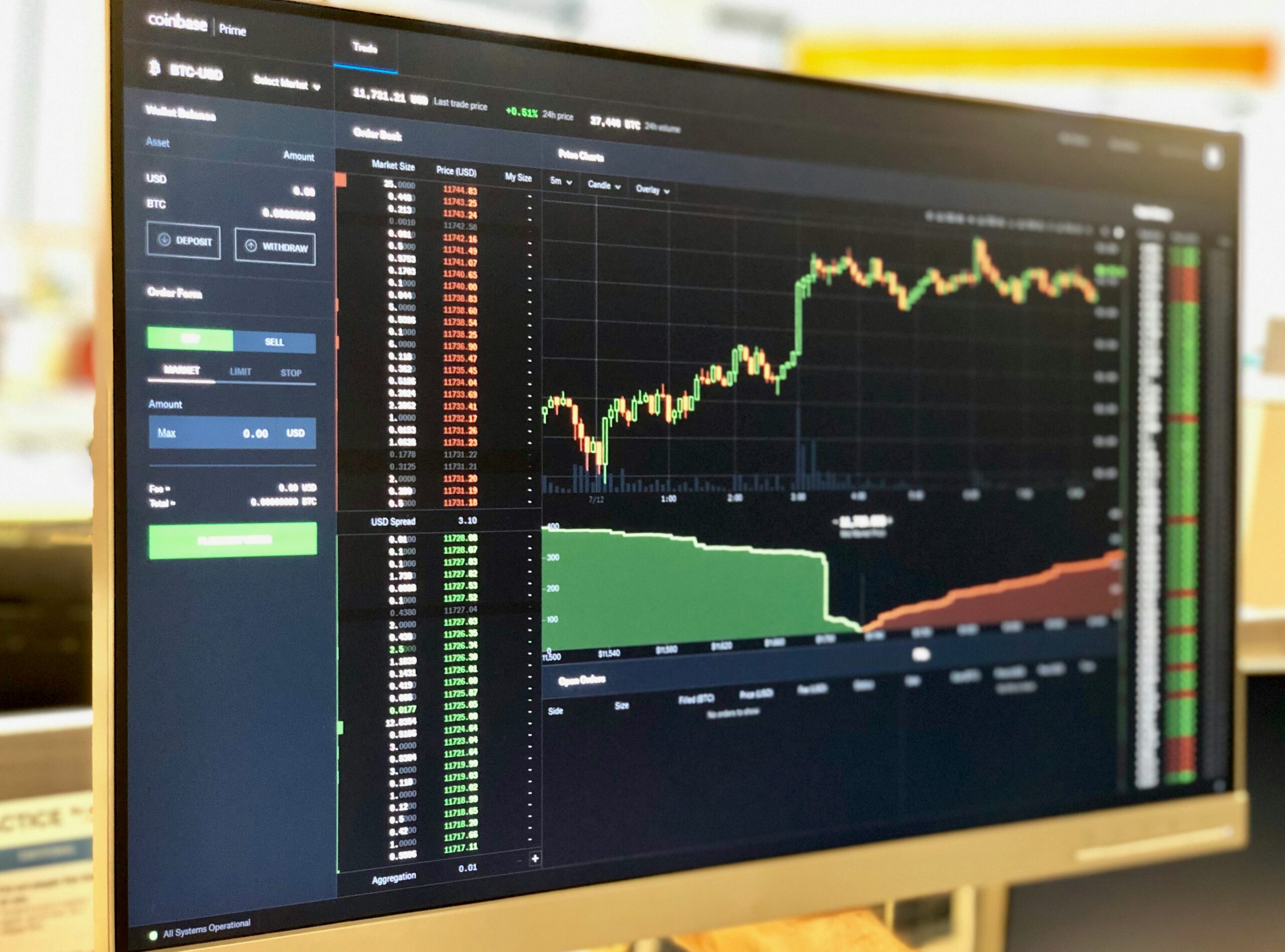
Introduction to Bitcoin’s Current Market Status
Bitcoin, the leading cryptocurrency, currently finds itself in a challenging market environment, trading below the significant threshold of $113,000. This psychological price level has garnered considerable attention among traders and investors alike, as it serves as a crucial indicator of market sentiment and potential future movements. Recent trends indicate that Bitcoin’s price has been volatile, reflecting the broader uncertainties within the financial landscape, including macroeconomic factors and regulatory developments.
The price of Bitcoin has witnessed fluctuations that align with external economic variables, particularly remarks from influential figures, such as Federal Reserve Chairman Jerome Powell, and key economic indicators like the Personal Consumption Expenditures (PCE) data. These external influences have created a layered context for Bitcoin’s price movements, pushing the cryptocurrency to navigate through persistent volatility. Many traders are closely observing the market’s response to these developments, which may further dictate the trading trajectories in the upcoming weeks.
Market sentiment has been increasingly cautious, as short-term traders assess the implications of Powell’s latest speech, which addresses future monetary policies and their potential impact on inflation and interest rates. Additionally, the PCE data, as an essential measure of consumer spending, adds another dimension to understanding Bitcoin’s current price dynamics. Staying under the $113,000 mark could suggest a consolidation phase, wherein traders are awaiting a more definitive signal to guide their strategies.
The interplay between these external factors and Bitcoin’s price level highlights the need for vigilance in the cryptocurrency market, and understanding this ongoing situation is critical for anyone involved in Bitcoin trading or investment. Investors should remain informed about the financial climate and its effects on Bitcoin’s potential recovery and upward movement.
Understanding Bitcoin’s Price Volatility
Bitcoin, as a decentralized digital currency, is well-known for its price volatility, which can be attributed to a variety of factors. Price fluctuations for Bitcoin can be sudden and significant, often influenced by market sentiment, regulatory news, and broader economic conditions. The unique nature of cryptocurrencies, including the lack of centralized authority and limited historical data, contributes to this volatility, making it a distinctive asset class.
One of the primary reasons for Bitcoin’s price volatility is its speculative nature. Many investors buy and sell Bitcoin based on market trends, perceived value, and news, leading to rapid changes in demand. Additionally, large transactions can dramatically swing the market price, as a sizeable acquisition or liquidation of Bitcoin can lead to either a price spike or a downturn. Another aspect influencing volatility is liquidity; while Bitcoin has become more mainstream and trading volume has increased, it still can trade with relatively lower liquidity compared to traditional assets, which can exacerbate price movements during times of high demand or panic.
External events, such as speeches from key financial authorities and the release of economic indicators like the Personal Consumption Expenditures (PCE) data, can significantly impact Bitcoin’s market behavior. For instance, announcements regarding interest rate changes or monetary policy can influence investor sentiment, prompting quick reactions in the Bitcoin market. Furthermore, the connection between traditional financial markets and the cryptocurrency market means that economic shifts can create ripple effects, impacting the price of Bitcoin as investors adjust their strategies based on broader market signals.
Historically, Bitcoin has experienced myriad price fluctuations since its inception, with notable peaks and troughs corresponding with both positive developments within the crypto space and negative regulatory news. Understanding the complexity of Bitcoin’s price volatility requires an appreciation of these contributing factors and their interplay with global market dynamics.
The Role of Federal Reserve Chair Jerome Powell’s Speech
Federal Reserve Chair Jerome Powell’s speeches are closely monitored by investors and market participants, particularly given the potential impact on various asset classes, including Bitcoin and other cryptocurrencies. His remarks on interest rates, inflation, and monetary policy play a crucial role in shaping market sentiment and expectations. When Powell addresses the economic landscape, his insights can lead to significant volatility within the cryptocurrency market.
For instance, if he signals an intent to tighten monetary policy through interest rate hikes, it may prompt investors to reconsider their exposure to riskier assets, such as Bitcoin. Higher interest rates can increase the opportunity cost of holding non-yielding assets like cryptocurrencies. This shift in focus often leads to a decline in prices as investors allocate their capital toward safer, interest-bearing securities.
Conversely, if his speech suggests a dovish stance, indicating that the Federal Reserve will maintain or lower interest rates, it can bolster investor confidence in Bitcoin and equities alike. A favorable monetary environment, characterized by low interest rates, often encourages risk-taking and drives capital into alternative investments, such as Bitcoin, as investors seek higher returns. As a result, cryptocurrencies may experience upward price movements following such remarks.
Moreover, Powell’s comments regarding inflation can significantly influence market dynamics. In an era of rising inflation, as seen in recent years, Powell’s approach to managing inflationary pressures through monetary policy can create expectations that either support or undermine Bitcoin’s value as a hedge against inflation. As investors digest Powell’s words, they assess the potential implications for future Federal Reserve actions, thereby impacting cryptocurrency market behavior.
Decoding the PCE Data: What to Expect
The Personal Consumption Expenditures (PCE) data is a crucial economic indicator, providing insights into consumer behavior and inflation trends. It measures changes in the price of consumer goods and services over time, effectively reflecting the purchasing habits and preferences of households. In the context of the cryptocurrency market, particularly Bitcoin, the PCE data can play a significant role in shaping investor sentiment, which, in turn, influences price movements.
The importance of the PCE lies in its ability to convey inflationary pressures within the economy. For instance, if the data suggests rising costs across essential goods and services, it may signal an increase in inflation rates. This knowledge can trigger various responses from investors, affecting traditional assets as well as cryptocurrencies. A higher-than-expected PCE reading often prompts concerns around sustained inflation, leading to shifts in monetary policy. Consequently, if investors perceive Bitcoin as a hedge against inflation, it may experience increased demand, driving prices higher.
Additionally, when analyzing the PCE data, market participants often look for trends and patterns that could signal future economic conditions. For example, a trend of consistent growth in PCE may indicate a robust economy, potentially buoying investor confidence in riskier assets like Bitcoin. Conversely, if the PCE shows declining consumer spending or falling prices, it may spur market apprehension, leading to a sell-off in cryptocurrencies as investors flock to safer investments.
Understanding the implications of PCE data releases is essential for Bitcoin investors. As economic conditions evolve, monitoring this indicator can help in forecasting potential price movements, and in assessing the overall climate of the cryptocurrency market. Therefore, vigilance in tracking PCE trends can empower investors to make informed decisions, aligning strategies with market dynamics.
Market Reactions: Historical Context of Similar Events
The reactions of financial markets to Federal Reserve officials’ speeches and significant economic data releases have historically exhibited notable patterns. These events often serve as crucial indicators of future monetary policy directions, impacting asset prices, including that of Bitcoin and other cryptocurrencies. For instance, the speech delivered by Federal Reserve Chair Jerome Powell in December 2021 marked a pivotal juncture for markets. Following his announcement of tapering asset purchases, Bitcoin experienced a significant dip, reflecting investor anxiety over tightening monetary policies.
Similarly, major economic data releases such as the Consumer Price Index (CPI) and Personal Consumption Expenditures (PCE) have been instrumental in shaping market sentiment. In April 2022, unexpectedly high inflation readings led to swift corrections across various asset classes, with Bitcoin declining sharply as investors sought safer havens. The market’s reaction to these events highlights the interconnectedness of macroeconomic indicators and cryptocurrency trading.
Looking further back, a notable event occurred in 2018 when the Federal Reserve raised interest rates multiple times. Following a speech by Powell outlining the central bank’s approach to managing economic growth, Bitcoin entered a prolonged bear market, shedding significant value as investor confidence waned. In stark contrast, positive remarks about economic stability and growth can sometimes bolster cryptocurrency prices, as seen in June 2020 when Powell discussed lower interest rates amidst a pandemic-driven recession.
These historical instances illustrate the dual nature of market reactions; while some speeches and data releases can trigger bearish trends, others may ignite bullish sentiment. Understanding these patterns aids in anticipating how markets might respond to the latest statements from officials and economic reports, thus providing essential insights for cryptocurrency investors navigating current price movements.
Investor Sentiment: Bullish vs. Bearish Perspectives
As the cryptocurrency landscape continues to evolve, investor sentiment remains a pivotal component influencing Bitcoin’s price dynamics. Two predominant perspectives exist within the market: bullish and bearish views. Bullish investors are characterized by their optimism regarding future price increases, often driven by forthcoming events and data releases. Conversely, bearish investors express skepticism, anticipating potential declines in Bitcoin’s value. Understanding these sentiments provides valuable insights into market behavior, particularly in relation to significant announcements such as Jerome Powell’s speech and the PCE data release.
A key tool for gauging investor sentiment is the Fear and Greed Index, which aggregates market data to reflect the emotional state of investors. A reading that skews towards greed indicates a high level of optimism, often leading to increased buying pressure. In contrast, a fear-based reading signals caution among traders, which may result in selling activity. Recent fluctuations in the index suggest a mix of emotions, as investors weigh potential implications of the Federal Reserve’s monetary policy announcements and PCE data trends.
Additionally, sentiment metrics derived from social media and trading platforms reveal how traders position themselves ahead of critical economic indicators. A rising volume of positive discussions around Bitcoin may signal a bullish sentiment, whereas heightened discussions around price corrections might imply a bearish outlook. As traders anticipate Powell’s insights on inflation and interest rates, these metrics will play a crucial role in shaping pervading market attitudes.
Ultimately, the interplay between bullish and bearish sentiments can create substantial volatility in Bitcoin’s price movements. Understanding these perspectives allows investors to better navigate the complexities of the market, adapting their strategies in response to shifting trends in sentiment surrounding Bitcoin.
Technical Analysis: Bitcoin’s Chart Patterns
In the realm of Bitcoin trading, technical analysis serves as a vital tool for traders to make informed decisions based on past price movements. Currently, Bitcoin’s price is hovering just below the significant level of $113,000, which creates a focal point for various chart patterns and indicators. Traders are closely monitoring these patterns to ascertain potential future price movements, particularly in light of recent economic announcements.
One of the most noteworthy chart patterns is the ascending triangle. This pattern typically indicates a bullish sentiment and consists of a horizontal resistance line around the $113,000 mark and a rising support line. As the price approaches this region, a breakout could occur, leading to significant upward momentum if the resistance level is decisively breached. Conversely, if the price fails to break through this resistance and begins to decline, traders will be watching for support to hold at lower levels, such as $100,000, to avoid a bearish trend.
Additionally, moving averages play a crucial role in Bitcoin’s technical landscape. The 50-day and 200-day moving averages provide insights into the cryptocurrency’s overall market trend. A crossover event, where the shorter moving average crosses above the longer one, is often considered a bullish signal. Conversely, if the 50-day moving average crosses below the 200-day average, it may indicate a bearish trend ahead. Currently, the position of these averages suggests a cautious sentiment as traders await confirmation from upcoming economic data.
Lastly, other technical indicators such as the Relative Strength Index (RSI) and Bollinger Bands are integral for gauging potential overbought or oversold conditions. As Bitcoin’s price remains volatile, these indicators will assist traders in identifying optimal entry and exit points. It is clear that the current technical analysis of Bitcoin’s chart patterns is essential for navigating its price movements, particularly as significant economic events loom on the horizon.
The Broader Cryptocurrency Market: Correlation with Bitcoin
The cryptocurrency market is inherently interconnected, with Bitcoin often serving as a bellwether for the performance of other cryptocurrencies. As the largest and most recognized digital currency, Bitcoin’s price movements significantly influence market sentiment and direction. The correlation with altcoins, which are cryptocurrencies other than Bitcoin, is especially pronounced during periods of volatility and when external economic factors, such as interest rate announcements or inflation data, come into play.
When Bitcoin experiences price fluctuations, whether due to macroeconomic indicators or events like Federal Reserve Chair Jerome Powell’s speeches, other cryptocurrencies frequently exhibit parallel behavior. This phenomenon can be attributed to the dominance of Bitcoin in terms of market capitalization. For instance, during a bullish rally driven by positive economic data, altcoins may experience gains as investors replicate successful strategies seen in Bitcoin’s performance. Conversely, if Bitcoin faces downward pressure, it is common for altcoins to decline as investors rush to minimize risks, leading to a generalized downturn in the cryptocurrency market.
<padditionally, (defi)="" a="" advancements="" also="" altcoins="" altcoins.="" and="" as="" based="" be="" between="" binance="" bitcoin="" bitcoin's="" blockchain="" by="" can="" cardano,="" cases,="" closely="" coin="" coins="" consider="" correlation="" could="" decentralized="" degrees="" developments.="" different="" ecosystem="" ethereum's="" ethereum,="" factors="" finance="" follow="" for="" fundamentals="" growth="" have="" how="" however,="" important="" in="" influenced="" instance,="" is="" it="" its="" lead.
Understanding these dynamics is crucial for investors navigating the cryptocurrency landscape, particularly in light of external economic influences that impact Bitcoin and, by extension, the broader market. The interconnected nature of these assets underscores the importance of considering Bitcoin’s price movements as indicators for potential shifts within the wider cryptocurrency arena.
Conclusion: Navigating the Upcoming Uncertainty
The current Bitcoin market is characterized by significant volatility and uncertainty, particularly in the wake of recent economic indicators and central bank communications. The speech by Jerome Powell, alongside the latest Personal Consumption Expenditures (PCE) data, has introduced complex dynamics that are influencing investor sentiment and price movements in the cryptocurrency sector. As we observe Bitcoin fluctuating in response to these external factors, it becomes essential for investors to remain vigilant and adapt their strategies accordingly.
Market participants are closely monitoring Powell’s remarks for insights into potential monetary policy changes that could impact liquidity in financial markets. The relationship between inflation data and interest rate decisions is particularly relevant, as these elements play a crucial role in the overall market environment for Bitcoin and other digital assets. The uncertainty surrounding these developments could result in heightened volatility for Bitcoin prices, urging stakeholders to consider both short-term and long-term investment positions.
Furthermore, traders should be prepared for potential market corrections or rallies as news and data are released. It is critical for investors to remain informed about market trends, keeping abreast of economic indicators and Federal Reserve announcements that might affect Bitcoin’s trajectory. By doing so, investors can enhance their ability to navigate the upcoming uncertainty and make well-informed decisions. As the cryptocurrency landscape continues to evolve, maintaining an adaptable strategy that accounts for changing market conditions will prove invaluable in optimizing potential outcomes.
In conclusion, while the current climate is fraught with uncertainty, a proactive approach, combined with continuous market research and analysis, can help investors effectively manage their exposure to Bitcoin’s price fluctuations and capitalize on emerging opportunities in this dynamic space.