

Introduction to the Debt Collection Crisis
In recent years, the prevalence of debt collection lawsuits has become a significant concern for many individuals across the United States. Statistical data indicates a troubling upward trend in the number of lawsuits initiated by creditors and debt collectors. According to recent reports, millions of debt collection cases are filed annually, reflecting a sharp increase when compared to previous years. This rising trend poses dire implications for consumers, as they may find themselves facing legal action to recover unpaid debts.
Understanding the debt collection crisis is essential for individuals who may be affected. The financial burdens that lead to such situations can arise from various sources, including medical bills, credit card debt, student loans, or unforeseen economic downturns. The emotional and psychological toll of dealing with debt collection lawsuits can be overwhelming, leading to stress and uncertainty for those involved. Moreover, the societal implications extend beyond personal hardship; they contribute to broader economic issues, impacting financial stability and recovery on a larger scale.
The increasing frequency of lawsuits suggests that creditors are adopting more aggressive strategies to recover debts, leaving consumers vulnerable to financial and legal repercussions. It is therefore crucial for individuals to be well-informed about their rights and the legal processes associated with debt collection. Knowledge is power, and understanding how the system operates can equip individuals with the tools needed to navigate these challenging situations effectively. Awareness of the implications and the current trends surrounding debt collection lawsuits can ultimately empower consumers to fight back against unjustified claims and assert their rights in the face of adversity.
Understanding Your Rights as a Debtor
When confronted with debt collection lawsuits, it is crucial for debtors to be aware of their rights under the Fair Debt Collection Practices Act (FDCPA). This federal law is designed to protect consumers from abusive, unfair, or deceptive practices by debt collectors. Under the FDCPA, debtors have specific rights that empower them in challenging debt collection efforts.
One of the primary components of the FDCPA is the prohibition of harassment and abusive behavior by debt collectors. Practices such as threatening violence, using obscene language, or repeatedly calling at inconvenient times are considered illegal. Debtors also have the right to request validation of the debt, requiring collectors to provide proof that they legally owe the amount claimed. This validation process is vital as it helps to identify potential inaccuracies in the debt, safeguarding individuals from paying sums they do not owe.
Moreover, debtors should be aware that they have a right to communicate their preferences concerning contact. Under the FDCPA, consumers can formally request debt collectors cease communication, thereby halting all interaction unless the collector takes legal action. This provision is particularly significant as it allows individuals to regain control over their situation and shield themselves from coercive tactics.
It is essential for debtors to recognize the implications of their rights when facing lawsuits. Familiarity with legal terminology and an understanding of the FDCPA can enhance a debtor’s ability to defend against unwarranted claims. The empowerment derived from knowledge can be instrumental in navigating the complex landscape of debt collection, helping consumers to identify illegal practices and take appropriate action against them.
Being informed not only enhances an individual’s capacity to respond effectively but also serves as a first line of defense against unscrupulous practices, ensuring that their rights as consumers are upheld throughout the debt collection process.
Common Reasons for Debt Collection Lawsuits
Debt collection lawsuits are increasingly prevalent, with creditors taking legal action against debtors for various reasons. Understanding these common triggers is essential for anyone managing financial obligations. One of the most prevalent reasons for such lawsuits is the failure to make timely payments on loans. When an individual defaults on a loan, whether it be a personal loan, auto loan, or a mortgage, the lender may view this as a breach of the agreement, prompting them to initiate legal proceedings to recover the owed amount.
Another frequent cause for debt collection lawsuits is the non-payment of credit card bills. Credit card companies typically offer a grace period; however, when payments exceed this period, they may escalate the collection process. This can involve numerous attempts to contact the debtor, which may ultimately result in a lawsuit if the debt remains unpaid. Late payments can accrue interest and fees, exacerbating the overall financial burden and increasing the likelihood of legal action being taken against the debtor.
Moreover, medical bills represent another significant category of debt that leads to collections. Many individuals face unforeseen medical expenses that can be difficult, if not impossible, to manage promptly. When these bills go unpaid, healthcare providers may decide to pursue legal recourse to recoup their losses. In addition, failure to pay personal loans, utility bills, or even rent can trigger similar actions from creditors, as they seek to recover their investment.
Understanding these common reasons for debt collection lawsuits equips individuals with the knowledge necessary for effective financial management. By being proactive with debt obligations and addressing issues as they arise, individuals can mitigate the risk of facing a lawsuit while fostering a healthier financial future.
Step-by-Step Guide to Responding to a Debt Collection Lawsuit
When faced with a debt collection lawsuit, it is imperative for individuals to take a systematic approach to safeguard their rights and respond effectively. The first critical step is to thoroughly review all documentation related to the lawsuit, including the complaint and summons. These documents will contain essential details such as the nature of the debt, the creditor’s claims, and the required deadline for response. Understanding the contents of these documents is vital, as it informs the overall strategy for response.
Once the documents are reviewed, the next step is to file a formal response with the appropriate court. This response, often referred to as an “answer,” must be filed within the timeframe specified in the summons. Failing to respond timely could lead to a default judgment against the defendant, which can have serious repercussions. In crafting the answer, it is crucial to address each allegation presented in the lawsuit, either admitting or denying the claims, and presenting any defenses that may apply.
Consideration of potential defenses is another important aspect of responding to a debt collection lawsuit. Common defenses may include lack of standing (the plaintiff not having the right to sue), failure to provide adequate proof of the debt, or challenging the amount claimed. Each of these defenses can significantly impact the case outcome. Therefore, it is essential to research these possibilities thoroughly and assess their applicability to one’s situation.
Finally, seeking legal counsel is highly advisable when confronting a debt collection lawsuit. A qualified attorney can provide the necessary legal expertise, help navigate the court system, and strengthen one’s defense. Legal professionals can also aid in negotiating settlements and may identify additional defenses or strategies tailored to the specific case. By following these steps, individuals can effectively fight back against a debt collection lawsuit and protect their rights.
Defensive Strategies Against Debt Collectors
When faced with the daunting prospect of a debt collection lawsuit, individuals may feel overwhelmed and unsure about their options. However, implementing effective defensive strategies can significantly alter the trajectory of such legal actions. One initial step is negotiating settlements with the debt collector. This approach involves reaching out to the collector to propose a reduced amount as a lump-sum payment to settle the debt. Many collectors are open to this, particularly if they believe that the chances of recovering the full amount through legal means are low. This can alleviate financial burden and avoid potential lawsuits.
Another crucial defensive strategy is to request validation of the debt. Under the Fair Debt Collection Practices Act (FDCPA), consumers have the right to ask for written verification of a debt being claimed. This includes the amount owed and the creditor’s name. By formally requesting validation, individuals can not only verify the legitimacy of the debt but also buy time while investigating any discrepancies or errors that may exist. If the collector cannot provide adequate evidence, they must cease collection activities, allowing the consumer to potentially contest the claim.
Additionally, leveraging state laws can be a powerful method for individuals facing debt collections. Many states offer specific protections against aggressive collection tactics and may have statutes of limitations that restrict how long a collector can pursue a debt. It is imperative for consumers to familiarize themselves with both local and federal regulations that apply to their situation. Understanding these laws can empower individuals and enable them to assert their rights effectively, ultimately minimizing liabilities.
Employing a combination of these strategies, such as negotiating, obtaining debt validation, and utilizing legal protections, equips individuals with the tools necessary to counteract debt collectors and take control of their financial situation.
The Role of Bankruptcy in Debt Collection
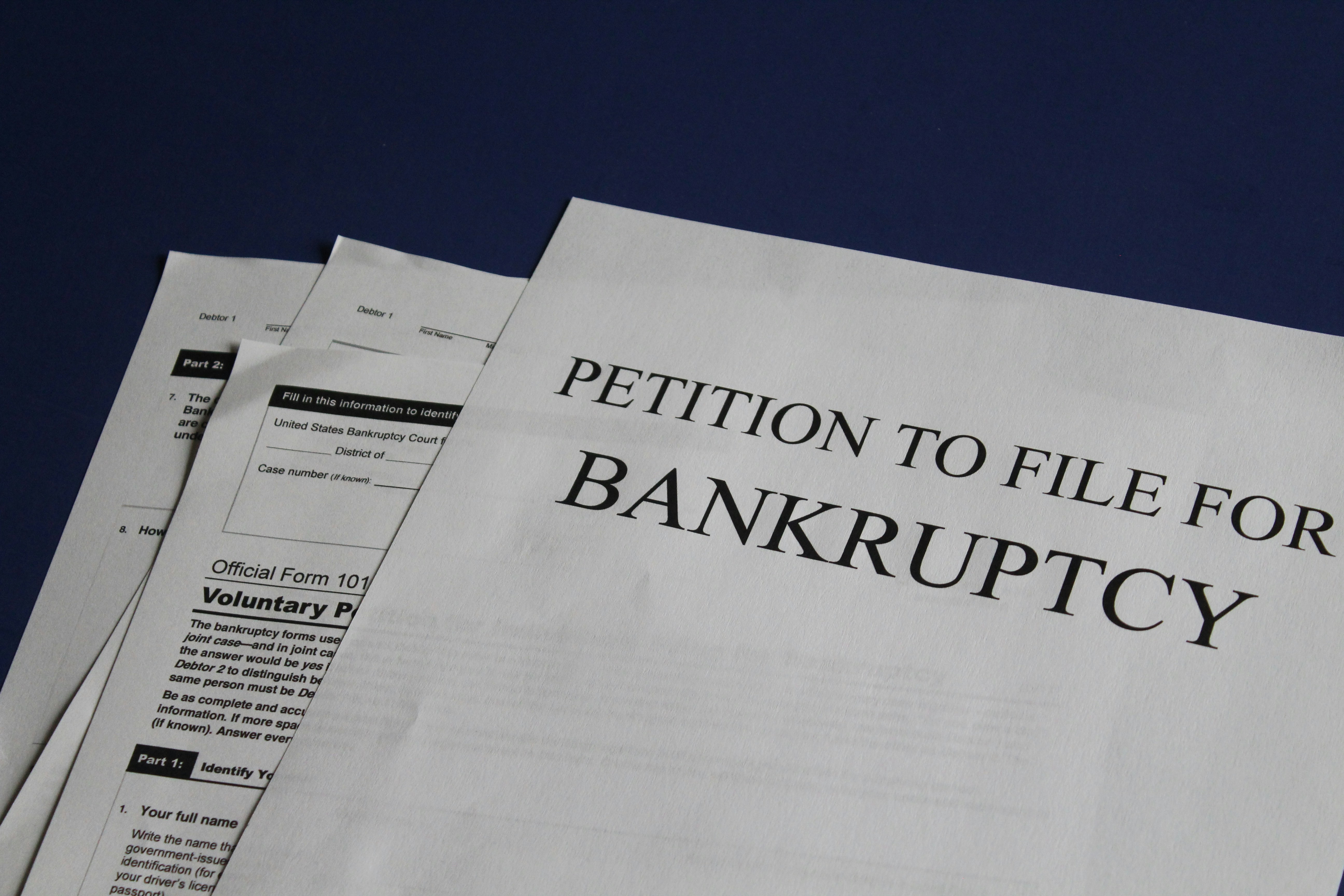
In the context of rising debt collection lawsuits, bankruptcy emerges as a potential strategy for individuals facing overwhelming financial challenges. The two principal types of bankruptcy available to individuals are Chapter 7 and Chapter 13 bankruptcy, each offering distinct advantages and implications for debtors.
Chapter 7 bankruptcy, often referred to as “liquidation bankruptcy,” allows individuals to discharge most unsecured debts. This includes credit card debts, medical bills, and personal loans. Filing for Chapter 7 can lead to a swift resolution, typically within a few months, and provides an immediate relief by halting most collection actions through an automatic stay. However, it’s crucial to note that eligibility for Chapter 7 is contingent upon passing a means test, which assesses the debtor’s income level relative to the state median. If individuals do not qualify, they may consider Chapter 13 bankruptcy as an alternative.
Chapter 13 bankruptcy, on the other hand, is designed for individuals with regular income who wish to repay their debts over a specified period, usually three to five years. This type of bankruptcy provides a structured repayment plan, allowing the debtor to retain their assets while working through their financial obligations. Additionally, filing for Chapter 13 can also halt collection actions, providing temporary relief from creditor harassment and lawsuits.
While bankruptcy offers a pathway to relieve overwhelming debts, it is essential to consider the long-term implications. Filing for either type of bankruptcy can significantly impact an individual’s credit score, lasting on a credit report for up to ten years for Chapter 7 and seven years for Chapter 13. Additionally, it may affect one’s ability to secure loans or credit in the future.
In assessing whether bankruptcy is a viable option, individuals should weigh the potential benefits against the long-lasting repercussions on their financial future. Consulting with a qualified bankruptcy attorney can provide valuable insights, enabling debtors to make informed decisions in battling debt collection issues.
How to Maintain Your Credit Score During a Debt Collection Battle
Facing a debt collection lawsuit can be overwhelming, and it often raises concerns about how this situation may affect your credit score. Protecting your credit health during such challenging times is crucial, as a solid credit score can significantly impact your ability to secure loans, obtain credit cards, or even rent a home in the future. To navigate this process effectively, consider implementing proactive measures to maintain your credit rating.
Firstly, it is essential to understand the factors that influence your credit score. Payment history, amounts owed, length of credit history, types of credit, and new credit inquiries play significant roles in determining your score. While dealing with collection accounts, prioritize making timely payments on existing debts to avoid further complications. Maintain communication with creditors and seek repayment plans if you are struggling, as demonstrating commitment to repayment can also positively affect your credit standing.
Another helpful tip is to regularly review your credit reports. You are entitled to receive one free credit report from each of the major credit bureaus annually. This practice allows you to monitor your credit situation, identify inaccuracies, and dispute any errors that may arise—especially those linked to debt collection lawsuits. Additionally, avoid opening new credit accounts unless absolutely necessary, as applying for new credit can result in hard inquiries, which may temporarily lower your score.
After a lawsuit concludes, ensure you take immediate steps to repair any potential damages. If a judgment is entered against you, it may be reported to the credit bureaus. Take the time to understand your post-lawsuit options, including negotiating for a ‘pay for delete’ agreement or working towards settling debts to enhance your credit profile. Ultimately, consistency in managing your debts and maintaining good financial habits can help you mitigate the impact of debt collection lawsuits on your credit score.
Avoiding Future Debt Collection Issues
To protect oneself from the rising tide of debt collection lawsuits, it is imperative to adopt proactive strategies that foster financial stability. One of the most effective methods is to establish a well-thought-out budget. A comprehensive budget allows individuals to track their income and expenses meticulously, ensuring that they live within their means. By recognizing spending patterns, it becomes easier to identify areas where one can cut back and allocate more funds towards essential payments, thereby reducing the risk of falling behind.
In conjunction with budgeting, creating an emergency fund is crucial. An emergency fund serves as a financial buffer during unforeseen circumstances, such as a job loss or unexpected medical expenses. Ideally, individuals should aim to save at least three to six months’ worth of living expenses. This financial cushion alleviates the pressure during tough times and minimizes the likelihood of accruing additional debt or facing debt collection actions.
Understanding various debt management options also plays a significant role in preventing future debt issues. Individuals should educate themselves about debt consolidation, repayment plans, and credit counseling services. These options can provide valuable insights and assistance in managing existing debts, thus preventing potential future lawsuits related to outstanding balances. Furthermore, utilizing resources for financial education, such as workshops, online courses, or consulting with a financial advisor, empowers individuals to make informed decisions regarding their finances.
By embracing these strategies—budgeting diligently, establishing an emergency fund, learning about debt management options, and seeking financial education—individuals can significantly reduce their chances of encountering issues with debt collectors. Proactively managing finances not only enhances stability but also promotes long-term financial health, making it easier to navigate through life without the constant fear of debt accumulation.
Conclusion: Taking Control of Your Financial Future
As we have discussed throughout this blog post, the rise in debt collection lawsuits poses significant challenges for individuals dealing with financial difficulties. Understanding your rights is crucial when faced with a debt collection lawsuit. These rights not only protect you but also empower you to navigate the complexities of the legal process more effectively. Knowledge of your options, such as disputing the debt or seeking legal counsel, can make a meaningful difference in how you address these situations.
In addition to familiarizing yourself with your rights, it is essential to explore the potential resources available for debt resolution. Various programs and organizations are dedicated to assisting individuals in managing their debts more effectively, providing guidance that can alleviate the stress associated with financial struggles. Moreover, enhancing your financial literacy will equip you with the skills necessary to make informed decisions, ultimately leading to better financial outcomes.
It’s important to remember that you are not alone on this journey. Many individuals find themselves in similar circumstances, and support is readily available. By proactively seeking help and taking actionable steps towards resolving your debts, you can regain control over your financial future. This may involve negotiating settlements, considering debt consolidation options, or even engaging in credit counseling services.
In summary, navigating the landscape of debt collection lawsuits requires a comprehensive understanding of your rights and options. By empowering yourself with knowledge and resources, you can effectively confront these challenges and work towards financial stability. Taking the first step may seem daunting, but it is the key to overcoming obstacles and paving the way for a healthier financial tomorrow.