

Introduction to Online Shopping Safety
In today’s digital age, online shopping has become a fundamental aspect of consumer behavior, offering unparalleled convenience and access to a wide array of products and services. As more individuals turn to e-commerce platforms for their retail needs, it is crucial to understand the importance of online shopping safety. With the growth of this virtual marketplace comes the inherent risks that accompany it, including fraud, identity theft, and potential breaches of personal information.
The rapid expansion of online transactions has unfortunately also led to an increase in cybercriminal activities. Unscrupulous individuals often exploit vulnerabilities within digital payments or utilize deceptive practices to mislead consumers, resulting in financial loss or compromised sensitive data. Therefore, acknowledging these risks is a critical first step in becoming a savvy online shopper. Each transaction necessitates a measure of vigilance to safeguard personal and financial information from potential threats.
Equipped with the knowledge of the various online dangers, consumers can make informed decisions that prioritize their security while enjoying the benefits that online shopping offers. Awareness of safe shopping practices not only helps mitigate risks but also builds confidence in making online purchases. This blog will provide a comprehensive list of practical tips designed to protect shoppers from these threats, ensuring that their online retail experiences are secure and enjoyable.
As this guide unfolds, readers will gain insights into effective strategies for safeguarding their information and recognizing trustworthy websites. Ultimately, Online Shopping Safety is not just about protecting oneself; it is about contributing to a safer digital marketplace for all. Taking proactive measures will enable consumers to fully embrace the advantages of e-commerce while minimizing exposure to various online risks.
Understanding Secure Websites
 In today’s digital shopping landscape, ensuring the security of online transactions is paramount. One of the primary aspects of identifying secure websites lies in recognizing specific indicators that signal their reliability. A fundamental element to consider is the presence of an SSL (Secure Socket Layer) certificate. Websites that utilize SSL encrypt personal and financial information sent between the browser and the server, making it significantly harder for hackers to intercept this data.
When browsing an online store, observe the URL in the address bar. Secure websites will always begin with ‘https://’ rather than the standard ‘http://’. The ‘s’ at the end of ‘https’ stands for secure, confirming that the connection is encrypted. This detail is crucial when it comes to protecting sensitive information such as credit card details and addresses during the checkout process. However, it’s important to note that simply having ‘https://’ does not automatically guarantee a site’s security, as some websites may misrepresent their security measures.
Moreover, reputable online retailers often display recognizable security logos from trusted third-party verification services. Logos from organizations such as Norton, McAfee, or the Better Business Bureau indicate that the site has undergone security evaluations and meets specific safety standards. These logos can usually be found on the checkout page or at the footer of the website. It is advisable for consumers to familiarize themselves with these symbols as they provide an additional layer of assurance in an online shopping environment where vulnerabilities are prevalent.
Ultimately, by understanding these hallmark signs of secure websites, online shoppers can navigate the internet with greater confidence, minimizing their risk of falling victim to fraud or data breaches. Establishing these safety protocols will contribute significantly to a more secure online shopping experience.
Creating Strong Passwords and Account Security
 Ensuring the security of online shopping accounts begins with the creation of strong and unique passwords. A robust password can significantly reduce the risk of unauthorized access to personal and financial information. Ideally, a strong password should comprise at least 12 characters, incorporating a mix of uppercase and lowercase letters, numbers, and special symbols. Avoid using easily guessable information, such as names or birthdays, as these can be easily exploited.
To manage multiple difficult passwords effectively, utilizing a password manager is highly recommended. This tool securely stores and encrypts your passwords, generating complex ones for you. With a password manager, the burden of remembering various passwords diminishes, allowing for better security practices without the hassle of memorization.
Furthermore, enabling two-factor authentication (2FA) on shopping accounts adds an essential layer of security. This requires not only your password but also a second verification method, such as a temporary code sent to your mobile device. The implementation of 2FA can significantly enhance the security of your online transactions, making it far more difficult for unauthorized individuals to breach your accounts.
It is also crucial to regularly update your passwords. Changing your passwords every few months helps mitigate potential breaches, as stolen credentials can often linger undetected for lengthy periods. Establishing a routine for updating passwords ensures that even if an account is compromised, the window of opportunity for misuse is minimized.
In a world where cyber threats are prevalent, taking these steps for strong passwords and account security is vital for protecting your online shopping experience. By employing a password manager, activating 2FA, and routinely changing your passwords, you can help safeguard your personal information from cybercriminals.
Using Trusted Payment Methods
 When engaging in online shopping, the choice of payment method plays a crucial role in ensuring the security of your financial information. Trusted payment options not only facilitate transactions but also offer various security features that protect consumers against potential fraud. Among these methods, credit cards are widely acknowledged for their robust fraud protection. Most credit card providers offer zero liability policies, which means that customers are not held responsible for unauthorized purchases made with their cards. Additionally, the ability to dispute charges enhances the security aspect of using credit cards for online purchases.
On the other hand, digital wallets, such as PayPal, Apple Pay, and Google Pay, have gained popularity for their convenience and layered security measures. These platforms often utilize encryption and tokenization to protect sensitive data, ensuring that your financial details are not directly shared with the merchant during a transaction. By storing payment information securely, digital wallets minimize the risk of exposure to potential cyber threats. Furthermore, they also provide users with the ability to quickly resolve disputes and recover funds in case of fraudulent activity.
Other alternative payment methods, such as bank transfers and payment services like Venmo or Zelle, are also used for online shopping. However, these methods may lack some of the protective measures offered by credit cards and digital wallets. Bank transfers can be irreversible, and while services like Venmo are convenient, they might not have the same level of buyer protection. In conclusion, when shopping online, it is essential to choose payment methods that offer strong security features. Utilizing trusted payment options, including credit cards and reputable digital wallets, can greatly help safeguard against fraud while ensuring a smooth shopping experience.
Recognizing Phishing Scams
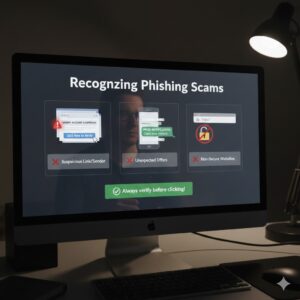 Phishing scams pose a significant threat to online shoppers, as they aim to deceive individuals into providing personal information such as credit card details, passwords, and other sensitive data. These scams often come in various forms, including emails, text messages, and fraudulent websites that mimic legitimate retailers. Understanding the characteristics of phishing attempts is crucial for safeguarding your personal and financial information.
One common tactic used by scammers is the creation of emails that appear to be from reputable companies. These emails frequently contain urgent messages urging recipients to “verify” their account information or claim they’ve won a prize. Pay close attention to the sender’s email address; it may resemble a genuine address but typically includes slight variations, such as misspellings or altered domain names. Furthermore, phishing emails often lack personalization, using vague greetings instead of your name.
Another method scammers utilize is crafting text messages that appear to be from well-known retailers, including links to websites that look legitimate. If you receive unsolicited messages that ask you to click a link and provide personal information, it is advisable to refrain from engaging with them. Instead, visit the official website directly by entering the URL in your browser.
To avoid falling victim to phishing scams, ensure that your devices are equipped with up-to-date antivirus software, as it can help detect and block malicious activities. Additionally, regularly monitor your bank statements and accounts for any unauthorized transactions. Familiarizing yourself with secure payment methods, such as those that offer buyer protection, is also a prudent strategy. Always remember to scrutinize websites for secure connections before entering sensitive information; look for URLs that start with “https://” rather than “http://”.
Researching Retailers Before Purchase
 Before making any online purchase, it is imperative to conduct thorough research on the retailer involved. This step not only enhances the shopping experience but also safeguards against potential fraud. One of the primary actions to take is to check customer reviews for the retailer. Numerous platforms, including social media and dedicated review websites, provide insights from previous customers. Pay close attention to both positive and negative feedback to gain a balanced perspective on the retailer’s reputation.
In addition to reviews, verifying the retailer’s contact information is crucial. A legitimate online store will typically provide a physical address, phone number, and email. If a retailer lacks this information or presents it vaguely, it is often a red flag suggesting that caution should be exercised. Engage with the retailer’s customer service if possible to assess their responsiveness and willingness to assist with inquiries. Reliable retailers prioritize clear communication with their customers.
Understanding the return and refund policies is another vital element of researching retailers. Different online stores have varying policies regarding returns. Familiarize yourself with the timeframes for returns, who bears shipping costs, and any conditions that must be met to qualify for refunds. A retailer with a clear, customer-friendly return policy indicates a commitment to consumer satisfaction and builds trust.
Additionally, ensure that the online retail site is secure. Look for HTTPS in the website’s URL and a padlock icon in the address bar, which indicates that your data will be encrypted during transactions. All these research steps contribute significantly to making informed purchasing decisions, ultimately instilling confidence in consumers while shopping online.
Keeping Software Up-To-Date
 Maintaining updated devices and software is crucial for enhancing cybersecurity while engaging in online shopping. Cybercriminals perpetually exploit known vulnerabilities in operating systems, web browsers, and applications. Regular updates provided by software developers often address these security holes, thereby significantly reducing the risk of cyberattacks. Users who neglect to install updates expose themselves to potential threats, making it vital to prioritize software maintenance.
Operating system updates frequently include critical security patches that protect against newly discovered vulnerabilities. For example, Windows, macOS, and various Linux distributions regularly release updates that can safeguard users from malicious software and unauthorized access. Ensuring that your operating system is set to automatically install updates can alleviate the manual effort required to maintain software security.
Web browsers are another fundamental aspect of software stability. Browsers such as Chrome, Firefox, and Safari frequently implement enhancements and security features aimed at protecting users during online transactions. They also rectify critical security issues that may arise. Therefore, reviewing your browser settings and enabling automatic updates can help minimize risks associated with outdated versions.
Additionally, an effective antivirus program is essential for combating a variety of cyber threats encountered during online shopping. Antivirus software developers release frequent updates to defend against the latest malware strains and phishing attempts that could compromise sensitive information. Regularly updating antivirus definitions ensures that your software can identify and neutralize new threats effectively, thereby fortifying overall online safety.
Ultimately, vigilance in keeping your devices and software up-to-date is a fundamental strategy for ensuring a secure online shopping experience. By taking advantage of automatic updates for operating systems, browsers, and antivirus programs, users can substantially mitigate risks posed by evolving cyber threats. This proactive approach fosters a safer online environment, enabling consumers to shop with confidence.
Safeguarding Personal Information
 When engaging in online shopping, protecting personal information is crucial to maintaining privacy and security. One effective strategy is to limit the amount of information shared during the purchase process. Consumers should provide only the necessary details required for completing a transaction, such as shipping address and payment details, while avoiding the disclosure of excessive personal information that retailers may request. This minimizes the risk of identity theft and data breaches.
Additionally, utilizing privacy settings on both digital devices and shopping platforms is vital. Many websites offer users options to customize their privacy preferences, which can include restricting tracking cookies or managing advertising settings. By reviewing and adjusting these settings, shoppers can enhance their online privacy and maintain greater control over the information being collected. Furthermore, it is advisable for consumers to utilize anonymous payment methods, such as prepaid cards or digital wallets, which can provide an additional layer of anonymity during transactions.
Understanding the privacy policies of retailers is an equally important aspect of safeguarding personal information. Before making a purchase, individuals should thoroughly read the privacy policy provided by the online store. This document typically outlines how the retailer collects, uses, and protects consumer data. Awareness of these practices can help shoppers make informed decisions when selecting vendors. It is essential for consumers to ensure that the retailer implements robust data protection measures, such as encryption and secure servers, to minimize risks associated with online transactions.
By adopting these practices, shoppers can significantly enhance their online security and ensure that their personal information remains protected throughout the online shopping experience. With vigilance and informed decision-making, consumers can enjoy the convenience of online shopping while mitigating potential risks associated with data protection.
Monitoring Financial Statements
 Regularly monitoring financial statements is a vital practice for anyone engaging in online shopping. As e-commerce continues to grow, so does the potential risk of unauthorized transactions. By keeping a vigilant eye on your financial accounts, you can quickly identify any discrepancies that may indicate fraudulent activity. It is essential to review your bank statements, credit card bills, and transaction histories periodically to ensure all charges are legitimate.
When examining these documents, look out for unfamiliar transactions, especially those that are out of place or seem excessive. Pay particular attention to smaller amounts, as these are often used by fraudsters to test stolen card information before making larger purchases. Furthermore, be aware of subscription services or automatic deductions that you may not recognize, which can also hint at unauthorized activity.
If you notice any suspicious transactions, it is crucial to report them to your financial institution immediately. Most banks and credit companies offer fraud protection and can assist in investigating any unauthorized charges. They may also provide advice on steps to take to protect yourself from further fraudulent behavior, such as changing passwords or freezing accounts.
Establishing a routine for monitoring your financial statements should be a proactive measure in your online shopping habits. Regular reviews empower you to manage your finances effectively and safeguard your personal information. Keeping your financial data secure not only protects you as a consumer but also promotes a safer online shopping environment. With increasing incidents of online fraud, prioritizing the continuous oversight of financial transactions can make a significant difference in maintaining the integrity of your finances.