How to Save Money on Groceries Without Eating Worse
Food is one of the easiest budget categories to overspend in, and one of the easiest to improve. You do not need extreme couponing. A few habits make the biggest difference.
Plan before you shop
Decide on a few meals for the week and check what you already have. Write a list based on that plan and stick to it. Shopping when you are hungry usually leads to extra purchases.
Compare unit prices
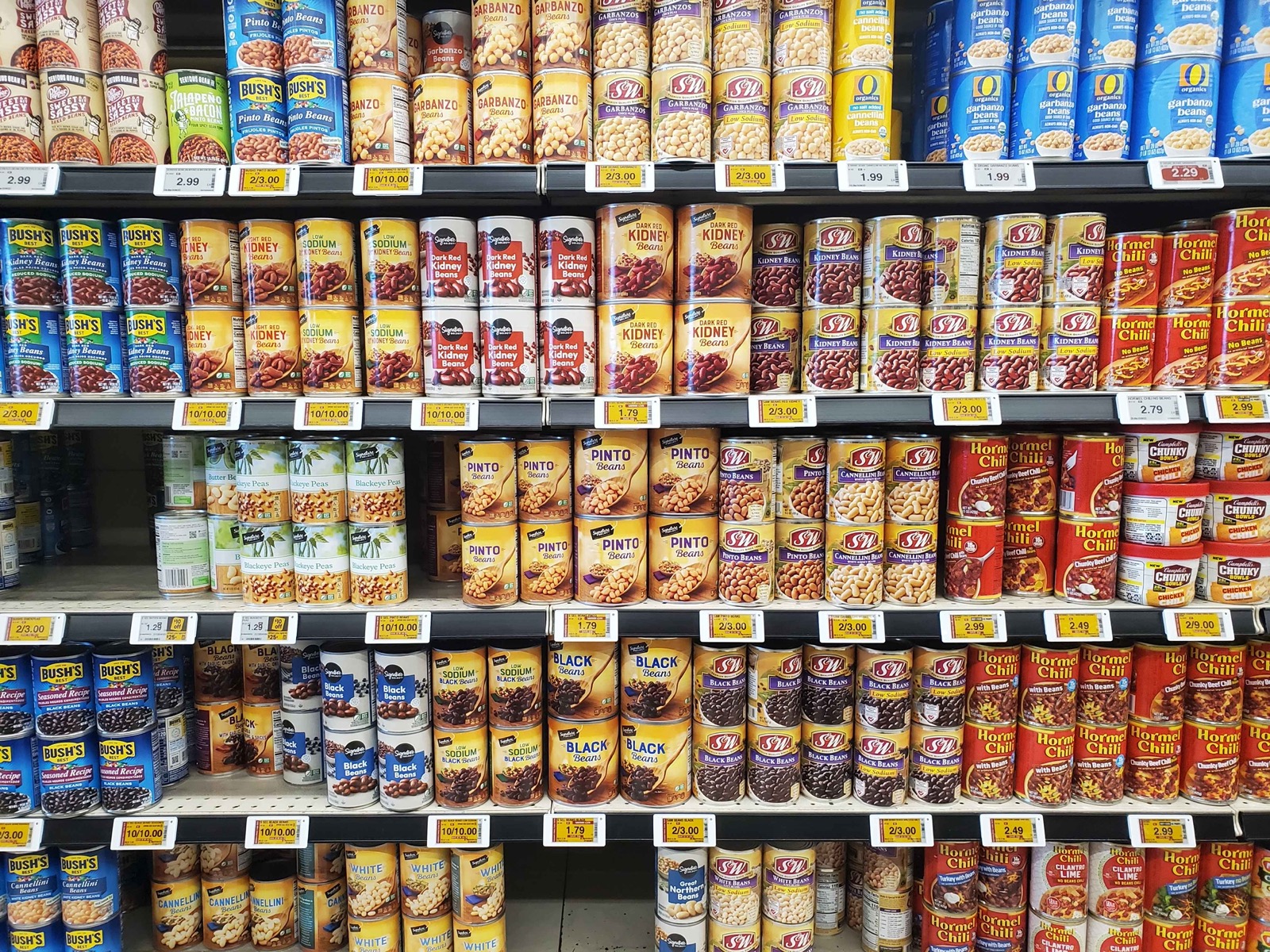
The unit price, such as price per ounce or per item, is usually printed on the shelf label. It shows which size or brand is actually cheaper, which is not always the biggest package.
Buy store brands for basics
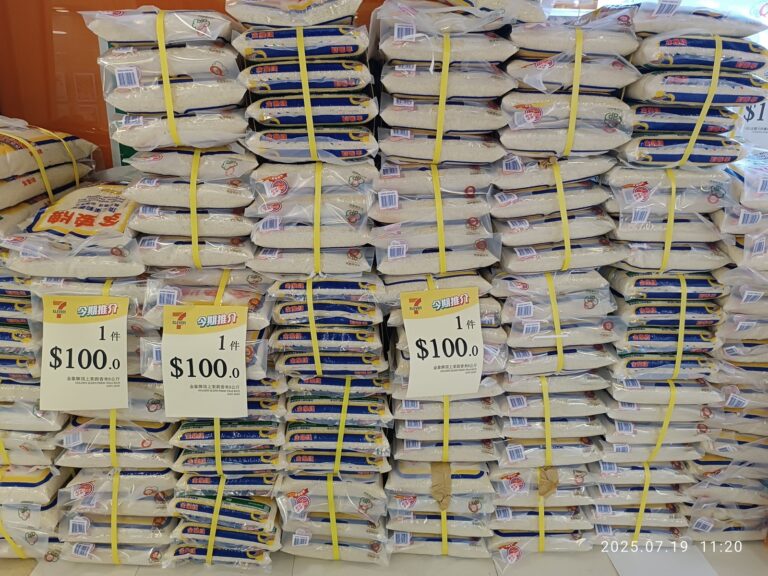
For items like rice, pasta, canned goods and flour, store brands are often similar to name brands at a lower price. Try one item at a time and keep the ones you like.
Reduce food waste
- Use older items first
- Freeze leftovers and bread before they spoil
- Cook in batches and plan a leftovers night
- Store produce properly so it lasts longer
Use sales carefully
A sale is only useful if you would use the item anyway. Stock up on things you use regularly and that keep well, such as pantry staples.
Track your spending
Look at your grocery spending for a month. Seeing the total makes it easier to set a realistic weekly limit. Our guide to building a simple monthly budget shows how.